
Evaluation and Speech Therapy Services in Houston, Texas
Personalized Therapy from a Passionate Team
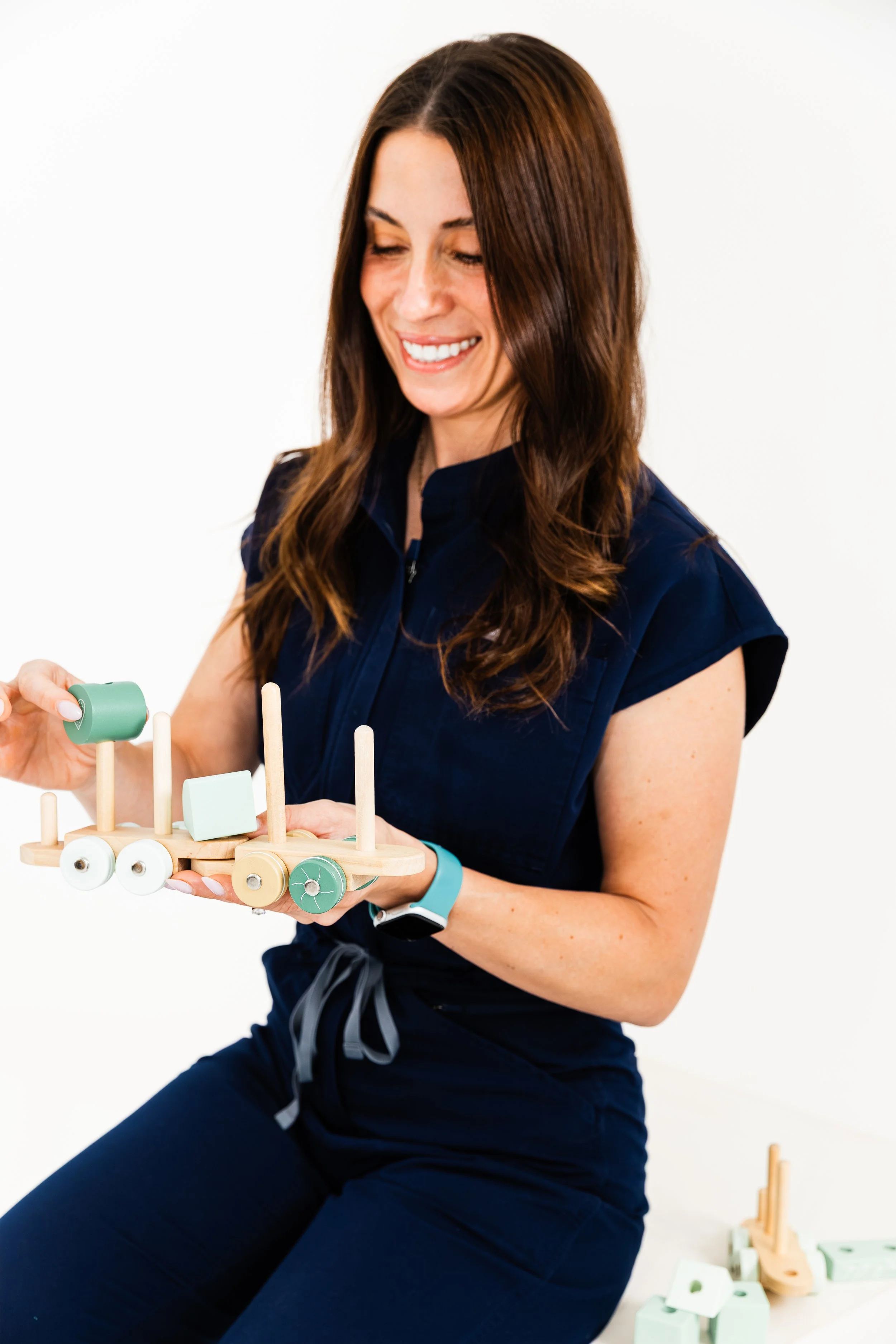
Our Approach to Therapy
Meaningful communication develops through connection—not compliance. At Balanced Speech Therapy, intervention is individualized, play-based, and neurodiversity-affirming, honoring each child's unique communication style while fostering authentic, functional communication. By collaborating with families and using a child's interests to guide learning, therapy creates lasting skills that extend beyond the therapy session and into everyday life.
Evaluations to Get to the Root of the Issue

Evaluations
Every evaluation at Balanced Speech Therapy is designed to provide a thorough understanding of your child's communication profile—not just to identify areas of difficulty, but to recognize the unique strengths that can be used to support meaningful growth.
Evaluations are individualized and may include a combination of formal (standardized) and informal assessment measures to ensure a comprehensive and functional understanding of your child's communication abilities.
A comprehensive evaluation may include:
Standardized assessments
Clinical observations during play and interaction
Parent/caregiver interview
Language sampling
Speech sound assessment
Oral mechanism examination
Review of previous reports or educational information
At Balanced Speech Therapy, evaluation is about more than identifying challenges. Every child has unique strengths, interests, and abilities that serve as the foundation for successful intervention. By understanding how your child learns, communicates, and engages with others, recommendations are tailored to build upon those strengths while addressing areas of need.
Our Speech Therapy Specialties
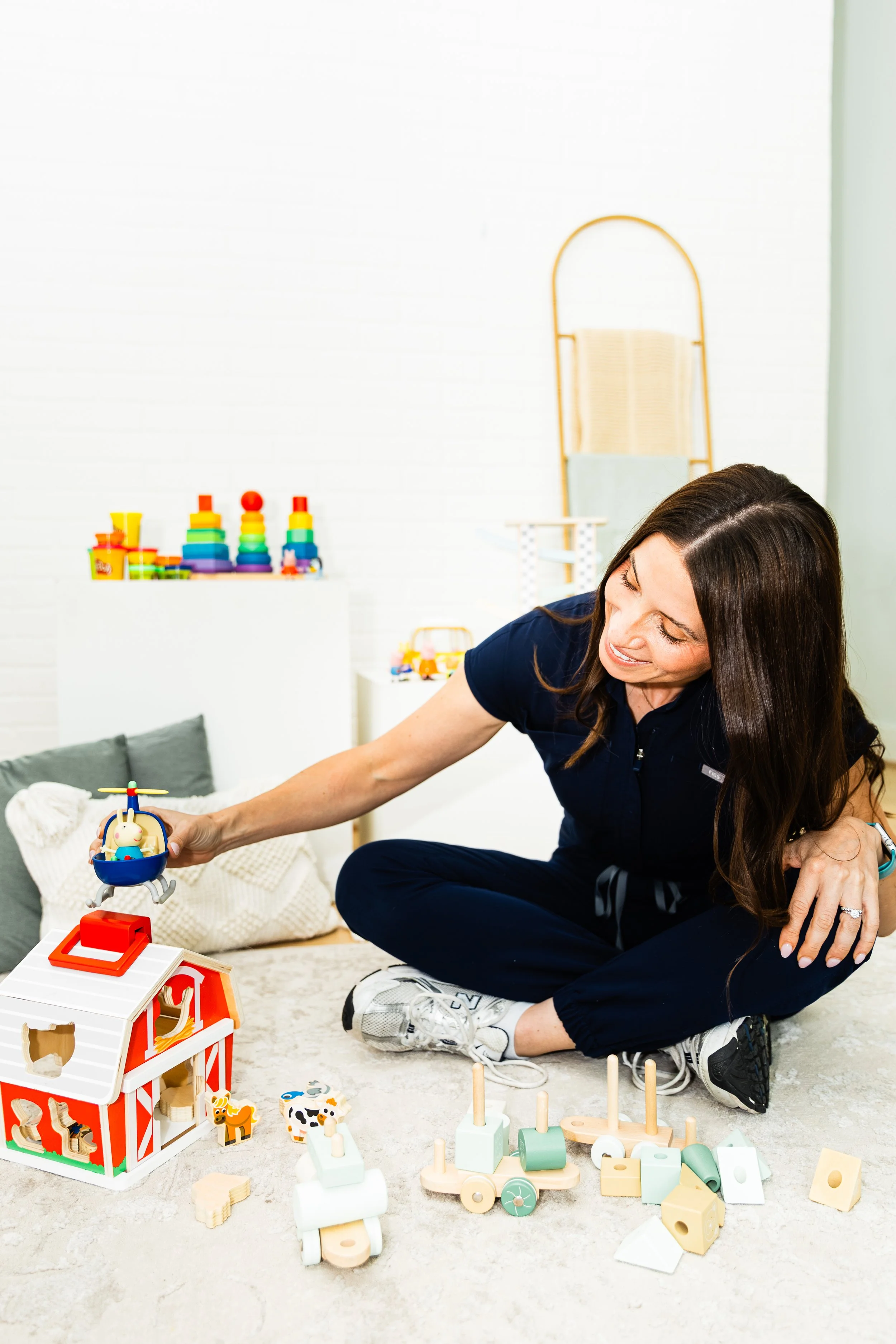
Language Intervention
Language therapy supports children in developing the skills needed to understand and express themselves effectively. Intervention is individualized and play-based, targeting areas such as vocabulary, sentence development, following directions, answering questions, social communication, and early language skills through meaningful, everyday interactions.
Early intervention is key. Research shows that identifying and addressing communication challenges early can have a significant impact on a child's long-term communication, learning, and social development. By building on each child's strengths and partnering with families, therapy promotes functional communication skills that carry over into daily life.

Speech Sound Therapy
Speech sound therapy helps children develop clear, confident speech by improving the way they produce and organize speech sounds. Treatment is individualized and evidence-based, targeting articulation and phonological disorders through engaging, play-based activities that are tailored to each child's unique needs and learning style.
Early intervention can improve speech intelligibility, reduce frustration, and support success in social and academic settings. Speech sound disorders can include difficulty with articulation, phonology, motor planning, and speech fluency.
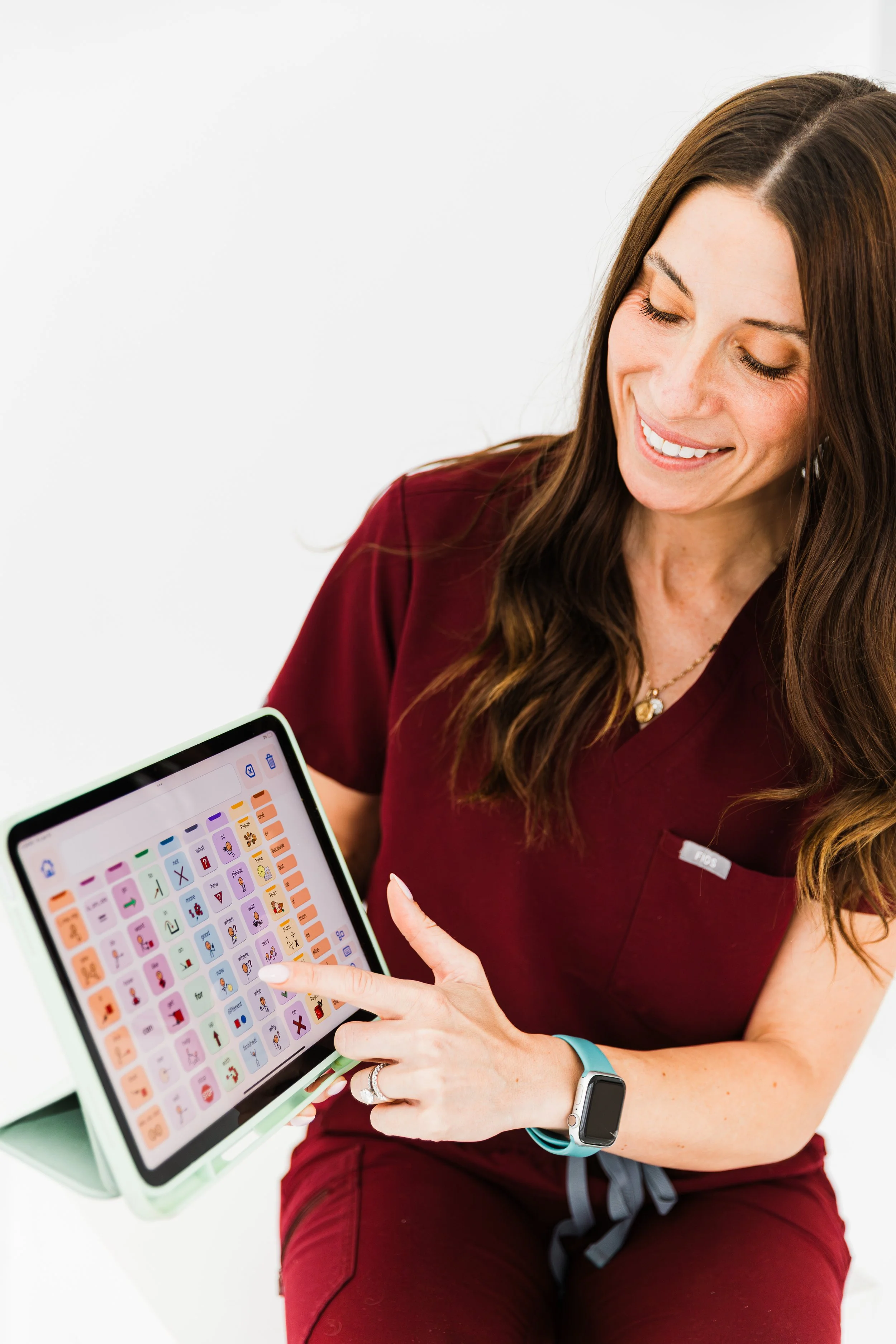
Gestalt Language Processing and Alternative and Augmentative Communication (AAC)
Gestalt Language Processing therapy supports children who develop language in a unique way by first learning language as whole phrases, scripts, or "gestalts" before moving toward more flexible, self-generated language. Intervention follows a child's natural language development and focuses on understanding, honoring, and expanding their communication style.
Using a neurodiversity-affirming and child-led approach, therapy incorporates a child's interests, motivations, and existing communication to support growth toward more flexible and meaningful language. Families are provided with strategies to support language development throughout everyday routines and interactions.
AAC intervention focuses on giving children reliable access to communication while supporting autonomy, language development, and participation in everyday life. Therapy is individualized to each child's needs and may include AAC evaluations, device recommendations, implementation support, and caregiver coaching to help communication skills grow across environments.
At Balanced Speech Therapy, AAC is viewed as a tool to support and expand communication—not as a replacement for speech. All forms of communication are valued, and children are supported in developing a communication system that is functional, meaningful, and uniquely their own.